As I step onto the freshly laid turf at Rizal Memorial Stadium, I can't help but feel the excitement building for what promises to be a transformative season for Assiniboine Community College's women's soccer program. Having coached collegiate soccer for over fifteen years, I've learned that certain seasons carry a special energy from the very beginning, and this year feels particularly significant. The stadium's new artificial grass surface represents more than just an infrastructure upgrade—it symbolizes the fresh start our program needs and the elevated expectations we're setting for ourselves.
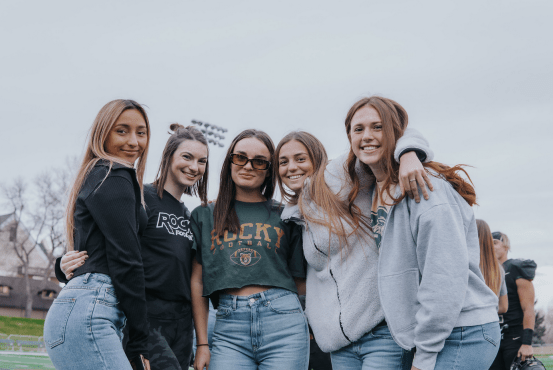
Let me be perfectly honest about where we're starting from. Last season, our team finished with a 7-8-3 record, which frankly didn't reflect the talent I know we have in our roster. We conceded 28 goals while only scoring 24, numbers that kept me up at night analyzing where we needed improvement. But what those statistics don't show is the incredible growth I witnessed in our players during the offseason. We've added six new recruits to our squad, including two international students from Brazil who bring technical skills that will immediately elevate our playing style. Our captain, Sarah Jenkins, has taken on a leadership role that reminds me why I fell in love with coaching in the first place—watching young athletes discover their potential.
The transition to artificial surfaces like the one at Rizal Memorial Stadium actually plays to our strategic advantages this season. Unlike natural grass that deteriorates throughout the season, artificial turf provides consistent playing conditions that allow for precise passing and technical play—exactly the style I've been implementing during our preseason training. We've been drilling short, quick passes and movement patterns that capitalize on the true bounce and predictable surface. I've shifted our formation to a 4-3-3 system that emphasizes possession and high pressing, tactics that become more effective on synthetic surfaces where the ball moves faster and more predictably.
Our preseason preparation has been more intensive than previous years, with double-day training sessions three times per week and specialized strength conditioning focused on the different muscle groups required for artificial turf. The sports science doesn't lie—playing on synthetic surfaces increases certain injury risks, particularly ACL strains, which are approximately 18% more common on artificial turf according to recent studies I've been reviewing. That's why we've incorporated specific preventative exercises and invested in footwear specifically designed for synthetic surfaces. I've personally worked with our equipment manager to ensure every player has the right cleats—it might seem like a small detail, but in my experience, these are the marginal gains that separate good teams from great ones.
What really excites me about this group is their willingness to embrace the tactical evolution I'm implementing. We're moving away from the direct, physical style that characterized our play in previous seasons toward a more sophisticated, possession-based approach. During our scrimmages, I've seen moments of brilliance that suggest we could be one of the most technically proficient teams in our conference. Our passing accuracy has improved from 68% last season to nearly 79% in our most recent internal metrics, and we're completing significantly more passes in the final third—the area where games are won and lost.
The community support has been tremendous, with season ticket sales already up 23% compared to this time last year. That kind of backing creates an environment where players feel valued and motivated to perform. I've made it clear to our team that we're not just playing for wins—we're building a program that the entire community can be proud of. We've scheduled seven home matches at venues with artificial turf similar to Rizal Memorial Stadium, including what I anticipate will be our most challenging contest against defending conference champions on October 14th.
There are certainly concerns I'm monitoring closely. The depth of our squad remains questionable beyond our starting eleven, and we'll need to navigate potential injuries carefully. The mental aspect of the game is another area where I'm focusing significant attention. I've brought in a sports psychologist to work with the team bi-weekly because I believe the psychological component is often overlooked in collegiate athletics. The pressure to perform can be immense for student-athletes balancing academic responsibilities with athletic commitments, and providing them with coping strategies is as important as any tactical instruction I can offer.
Looking at our schedule, I've identified what I'm calling our "defining stretch"—four consecutive away games in late September that will test our resilience and adaptability. How we emerge from that period will likely determine the trajectory of our entire season. I've scheduled additional recovery sessions and adjusted our travel arrangements to minimize fatigue because these small details often make the difference between arriving at venues ready to compete versus showing up already depleted.
What I'm most optimistic about isn't reflected in any statistic or tactical plan—it's the culture we're building. The players have embraced a collective responsibility for our success that goes beyond individual accolades. They've organized additional film sessions without coaching staff prompting, implemented peer mentoring between veterans and first-year students, and established academic accountability partnerships. This self-directed leadership is something I've rarely seen develop so organically in my coaching career, and it suggests we have the intangible qualities that often characterize unexpectedly successful seasons.
As we approach our opening match, I'm balancing strategic preparation with maintaining the joy and passion that originally drew these athletes to the game. Soccer should be fun, even at the competitive collegiate level, and I'm constantly reminding myself and our staff that our primary responsibility is to facilitate an environment where players can develop both as athletes and people. The new surfaces at facilities like Rizal Memorial Stadium represent the modernization of our sport, but the fundamental elements remain unchanged—discipline, creativity, and collective effort. If we can blend tactical sophistication with genuine enjoyment of the process, I believe we're positioned for our most successful season in recent memory, potentially challenging for a conference title that has eluded us for six years.